From Hot Take to Cold Case: How to Save a Campaign Before It Flatlines
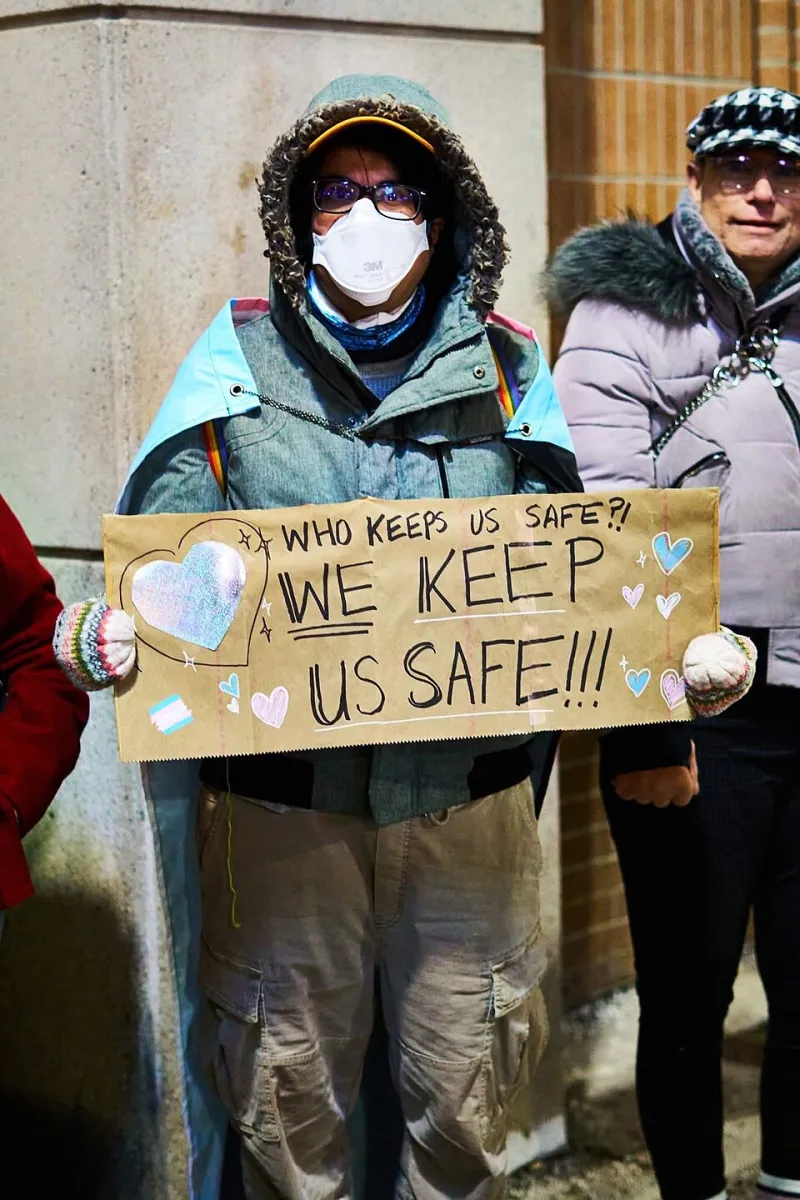
Photo: KTPhoto, CC BY-SA 4.0, via Wikimedia Commons
You've seen it happen. A cause catches fire — shared thousands of times, comment sections overflowing, local news maybe even picks it up. People are mad, they're moved, they're ready. And then, two weeks later, the campaign page sits there collecting digital dust while everyone's moved on to the next outrage cycle.
This isn't a failure of the cause itself. In most cases, it's a failure of infrastructure — the behind-the-scenes stuff that turns a viral moment into a sustained movement. Understanding why campaigns die, and knowing when to revive them versus when to let them go, is one of the most underrated skills in grassroots activism.
So let's dig into it.
The Comment Section Is Not a Campaign
Here's a hard truth: engagement is not action. A post with 4,000 comments and 12,000 shares can still produce zero real-world change if none of those interactions are connected to a clear next step.
The comment section feels like momentum. It looks like momentum. But comments are largely a closed loop — people talking to each other inside a platform that has zero interest in your cause succeeding. The algorithm rewards engagement, not outcomes. So while your supporters are busy arguing with strangers in the replies, the actual decision-makers your campaign is targeting aren't watching any of it.
This is the gap that kills campaigns: the space between online attention and directed action. Attention without direction evaporates. Every time.
Why Strong Starts Often Mean Early Deaths
Counterintuitively, campaigns that explode out of the gate are sometimes more vulnerable to early death than slow-burn efforts. Here's why.
When a cause goes viral, it attracts a huge influx of people who are emotionally activated but not yet committed. They signed the petition, they shared the post — and they feel like they've done their part. Psychologists call this "moral licensing" — the phenomenon where doing one good thing actually makes people less likely to follow through on additional actions. You've essentially given your supporters a way to feel good without staying engaged.
Meanwhile, the core organizers — often a small, exhausted group — get overwhelmed by the initial wave of attention and fail to build the systems needed to channel it. No email list. No follow-up asks. No escalating ladder of engagement. Just a big spike on the analytics dashboard and then silence.
Add to that the relentless pace of the news cycle, and you've got a recipe for a campaign that burns bright and disappears fast.
The Cause Autopsy: Figuring Out What Actually Killed It
Before you can decide whether to revive a dead campaign, you need to understand how it died. There are a few common causes of death worth diagnosing.
Death by distraction. The campaign lost oxygen because a bigger story took over the media cycle. The cause itself is still valid and the underlying conditions haven't changed — the timing just got bad. These campaigns are often strong candidates for revival.
Death by vagueness. The campaign never had a concrete ask. "Raise awareness" and "start a conversation" are not goals — they're vibes. If supporters couldn't answer the question "what exactly are we trying to make happen?" the campaign was already in trouble from day one. Reviving this kind of campaign requires rebuilding from the foundation with a specific, winnable target.
Death by win-and-run. The campaign hit an early milestone — a petition threshold, a city council meeting, a media mention — and then organizers unconsciously treated it like a finish line instead of a checkpoint. Supporters drifted because there was no clear "what's next."
Death by burnout. A small core team ran themselves into the ground sustaining early momentum and had nothing left. The cause may still be worth fighting for, but it needs new leadership infrastructure before it can be relaunched.
Death by irrelevance. Sometimes circumstances genuinely change — legislation passes (or fails permanently), the target institution dissolves, or the issue gets absorbed into a larger movement. These campaigns probably deserve a dignified retirement rather than a resurrection.
The Revival Framework: Is This Worth Bringing Back?
Not every dead campaign deserves a second life. Here's a quick gut-check framework before you invest energy in a relaunch.
1. Is the underlying problem still unsolved? This sounds obvious, but it's worth stating. If the conditions that created the campaign still exist, there's a legitimate reason to keep pushing. If they've fundamentally changed, assess honestly whether the original framing still applies.
2. Do you have a clearer, more specific ask than you did before? A revival without a sharper focus is just repeating the same mistake. What exactly do you want to happen, by when, from whom? Name it.
3. Is there a hook — a news peg, an anniversary, a new development — that gives you a reason to re-enter the conversation? Campaigns don't just need a reason to exist; they need a reason to matter right now. Timing is everything.
4. Do you have even a small committed core who can carry the load? One burned-out organizer cannot relaunch a campaign alone. You need at minimum a handful of people who are genuinely ready to do the work, not just cheer from the sidelines.
5. Can you convert past supporters into active participants this time? If you built any kind of list — emails, phone numbers, social followers — you have a head start. The revival pitch to people who were once engaged is much easier than cold outreach.
If you can answer yes to most of these, you've got something worth fighting for.
Resurrection, Done Right
A campaign revival isn't just hitting the repost button on your old content. It's a relaunch, which means treating it with the same intentionality you'd bring to something brand new.
Start by acknowledging the gap. Be honest with your community about what happened — people respect transparency, and it builds trust. Then introduce the updated ask with clarity. What's the specific target? What does success look like in 30 days, 90 days, six months?
Build a participation ladder from day one. Not everyone can attend a rally or call their senator, but everyone can do something — share a graphic, sign an updated petition, donate five dollars, show up to a virtual town hall. Give people multiple entry points at different levels of commitment, and make sure each step leads naturally to the next.
And please — collect contact information this time. The comment section is not your community. Your email list is your community.
Click the Cause, Then Keep Clicking
The most powerful thing about grassroots activism in the digital age is also its biggest vulnerability: it's incredibly easy to start something, and incredibly easy to stop. The causes that outlast the news cycle aren't necessarily the ones with the biggest launches — they're the ones with the most deliberate follow-through.
So if you've got a campaign sitting in the graveyard, do the autopsy. Ask the hard questions. And if the cause still matters — if the problem is still real and the fight is still worth having — then dust it off, sharpen the ask, and click again.
One click might not change the world. But the right series of clicks, aimed at the right target, absolutely can.