Gone But Not Forgotten: How to Pull a Dead Cause Back From the Media Graveyard
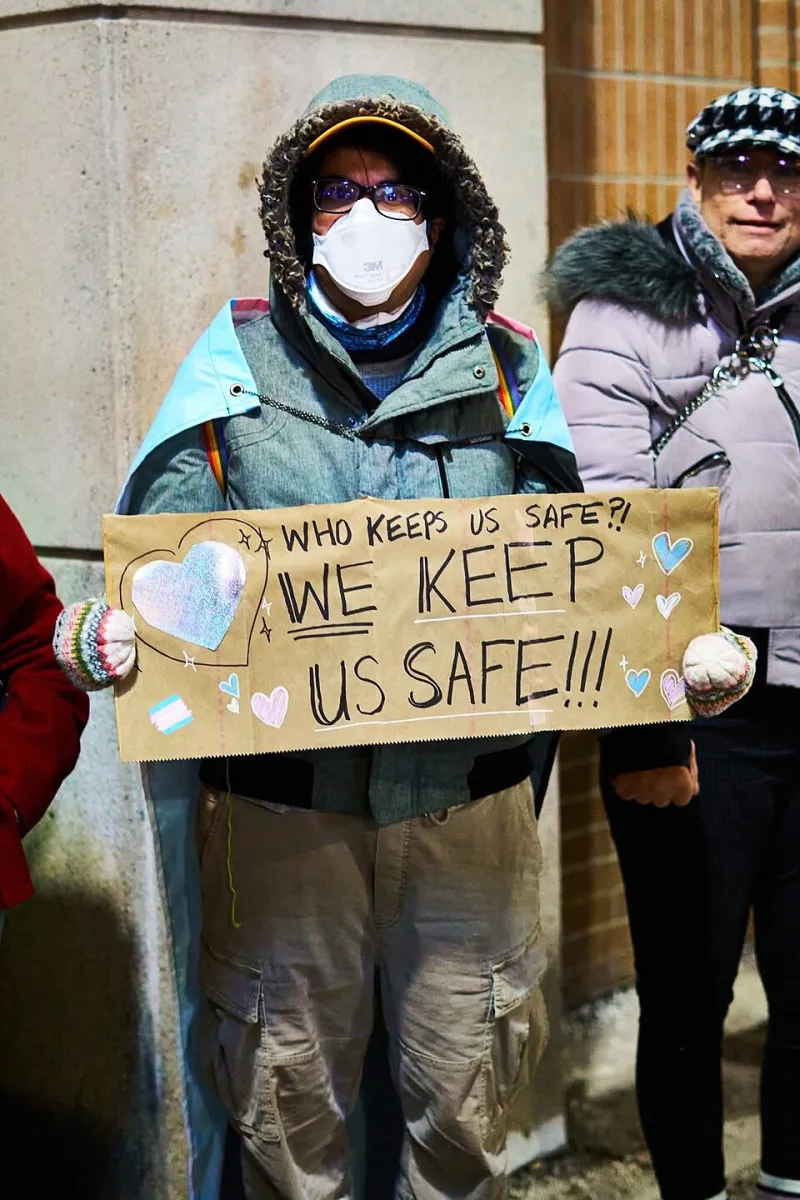
Photo: KTPhoto, CC BY-SA 4.0, via Wikimedia Commons
Remember when your entire feed was nothing but one issue? The hashtags, the profile picture overlays, the celebrities posting black squares or ribbon emojis? And then — almost overnight — silence. The cause didn't get solved. The problem didn't disappear. The news cycle just... moved on. And somehow, so did everyone else.
This is the Cause Graveyard. It's where momentum goes to die. And if you've ever poured your heart into an issue only to watch public interest evaporate like morning dew, you already know how demoralizing it feels.
But here's the thing: buried doesn't mean dead. And understanding why causes fade is the first step toward bringing them back.
Why the Spotlight Moves On (It's Not Personal)
Media attention operates like a spotlight in a packed theater — it can only illuminate one thing at a time. Political scientists actually have a name for this: issue-attention cycle, a concept developed by economist Anthony Downs back in 1972. His model describes how public enthusiasm for a problem rises dramatically, peaks, then gradually fades as people grow fatigued, distracted, or simply overwhelmed by the complexity of actually fixing it.
Add social media algorithms to that equation and you've turbocharged the decline. Platforms like Instagram, TikTok, and X reward novelty. Yesterday's urgent cause becomes today's stale content. The engagement drops, the algorithm deprioritizes it, and suddenly your posts about water contamination in a rural community are reaching fewer people than a cat video from 2019.
It's not that people stopped caring. It's that the infrastructure designed to keep them informed quietly stopped showing them the information.
Case Files: Causes That Went Quiet
Net Neutrality dominated tech and progressive circles in 2017 when the FCC voted to repeal Obama-era rules protecting open internet access. Millions called their representatives. Reddit went dark in protest. And then... the ruling passed, the outrage cycle moved on, and most people forgot the issue existed — even as legal battles continued for years afterward.
Missing and Murdered Indigenous Women (MMIW) is a crisis that has never stopped being urgent. Advocates have documented staggering rates of violence against Indigenous women and girls for decades. The red hand symbol briefly trended. Politicians mentioned it in speeches. But sustained mainstream media coverage never materialized, and the issue slipped back into the margins despite the ongoing emergency.
Puerto Rico's recovery after Hurricane Maria is another painful example. The initial images of devastation generated enormous emotional response in late 2017. Donations poured in. But as months stretched into years of inadequate federal response and infrastructure collapse, coverage dwindled — even as hundreds of thousands of Puerto Ricans were still living without reliable power or clean water.
In each case, the cause didn't resolve. Public attention just ran out of runway.
The Anatomy of a Revival
So what actually works when you're trying to breathe life back into a dormant campaign? Organizers who've done it successfully point to a few consistent strategies.
Find the New Angle
You can't re-pitch the same story. Journalists and audiences alike will tune it out as old news. Instead, look for what's changed — a new data point, a fresh legal development, an anniversary, a policy window opening. The MMIW movement found renewed traction when advocates connected it to broader conversations about violence against women and Indigenous sovereignty during debates over the Violence Against Women Act reauthorization. Same core issue, new entry point.
Go Local to Go National
National narratives die faster than local ones. When a cause gets hyper-specific — this town, this family, this school board meeting — it becomes harder to scroll past. Organizers working on lead contamination in water systems learned this after Flint, Michigan faded from headlines. By shifting focus to similar crises in Jackson, Mississippi and Newark, New Jersey, advocates kept the issue alive by making it immediate and proximate for new audiences.
Build a Calendar, Not a Campaign
One-time viral moments don't sustain movements. What sustains them is rhythm. Scheduled days of action, annual awareness weeks, monthly community calls — these create predictable touchpoints that give supporters a reason to re-engage. If people know that every October you're going to make noise about a specific issue, you're building a ritual, not just a reaction.
Use Data as a Defibrillator
Nothing restarts a conversation like a number that stops people cold. New research, updated statistics, a government report that quietly dropped on a Friday afternoon — these are gold for re-igniting interest. The key is translating that data into human terms. Don't just say "rates increased by 23%." Say: "In the time it took you to read this sentence, another family in America experienced X." Specificity and urgency in the same breath.
Recruit Unexpected Voices
When the same advocates are making the same arguments, audiences tune out — not because they disagree, but because there's no new information in the messenger. Revival often comes from unexpected allies. A conservative politician breaking ranks. A celebrity who has personal experience with the issue. A business community coming out in support. New voices signal to audiences that the conversation has evolved.
Your Click-to-Revive Toolkit
If you're ready to stop eulogizing a cause and start resurrecting it, here's where to start:
- Audit what already exists. Before building anything new, find the organizations still doing the work. They need amplification more than they need new infrastructure.
- Set up a Google Alert for your issue. When something new breaks, you'll be the first to share it — and freshness matters.
- Create a one-page "state of the issue" document your community can share. It doesn't have to be fancy. It has to be accurate and shareable.
- Reach out to local journalists with the local angle. A national story that died is often a local story that hasn't been told yet.
- Schedule a day of action. Pick a date, build a simple action around it — calls, emails, social posts — and invite people back in with clear, low-barrier asks.
The Cause Isn't Dead. The Attention Is.
There's a difference worth sitting with: the problem persisting and the conversation fading are two completely different things. Activists sometimes internalize public silence as defeat, but the silence is a media and algorithmic failure — not a values failure.
The people most affected by forgotten causes never got the luxury of moving on. They're still there, still organizing, still showing up at city council meetings and filing FOIA requests and writing letters that mostly go unanswered. Your job, when you decide to click back into a dormant cause, isn't to restart the movement. It's to rejoin the one that never stopped.
The graveyard metaphor only holds if you accept that something is actually dead. Most of the time, it's just been buried under breaking news.
Dig it up.