Why Most Activists Disappear After Campaign #2 — And What the Survivors Do Differently

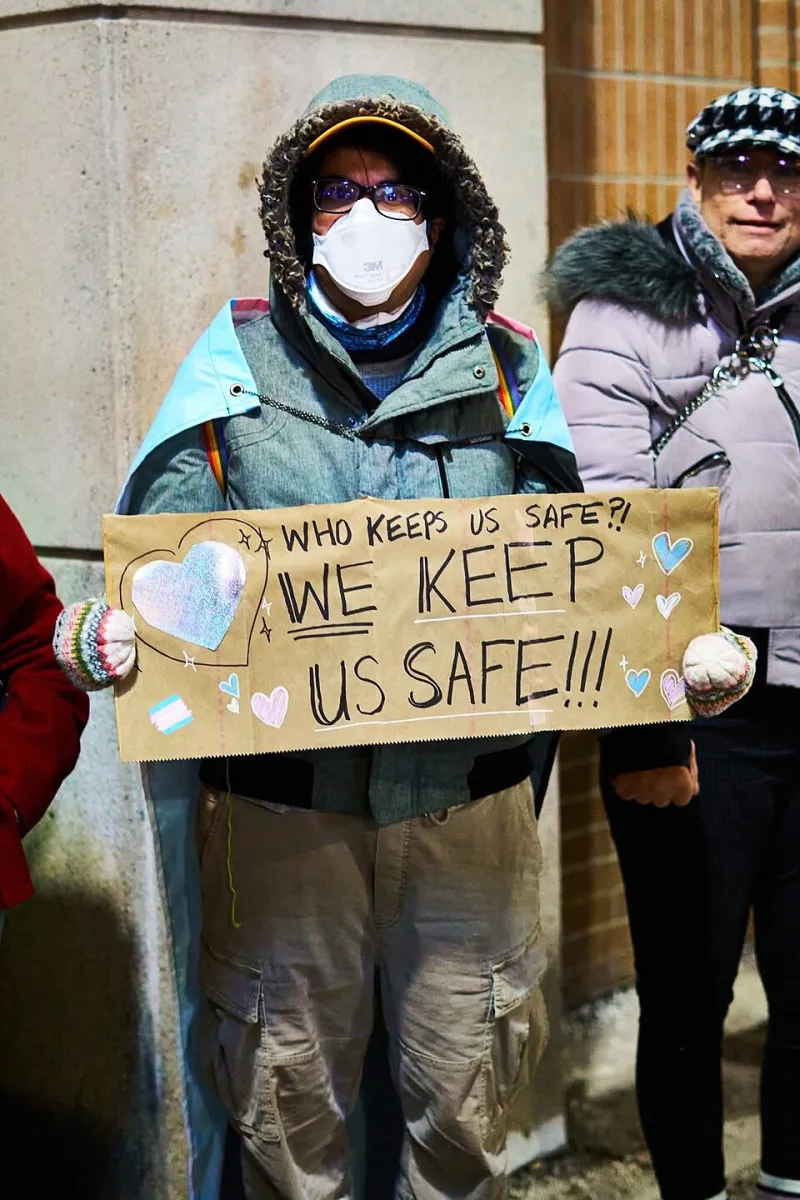
Photo: Gannu03, CC BY-SA 4.0, via Wikimedia Commons
Here's a number that should make every organizer stop scrolling: 73%. That's the share of people who get involved in a cause, participate in a second action, and then quietly vanish. No dramatic exit. No angry unsubscribe email. They just... stop showing up.
If you've ever poured your heart into building a campaign, watched it catch fire, and then looked around six months later to find half your core team gone — you already know this number in your bones, even if you didn't have a stat to put to it.
So what's actually happening? And more importantly, what are the organizations beating those odds doing differently?
The "Second Campaign" Wall Is Real — Here's Why It Exists
The first campaign is easy to explain. There's a spark. Something outrages you, inspires you, or lands in your feed at exactly the right emotional moment. You sign the petition, show up to the rally, donate $25, maybe even rope in three friends. The dopamine is real. The community feels electric.
The second campaign is where reality sets in.
Researchers studying civic engagement patterns — including a 2022 study out of the University of Michigan on digital activism retention — found that the gap between first and second participation isn't usually about passion fading. It's about expectation mismatch. People join movements expecting momentum. What they often find instead is administrative chaos, unclear next steps, and a creeping sense that their individual contribution didn't actually matter.
Add to that the psychological phenomenon known as "moral licensing" — the well-documented tendency for people to feel they've "done their part" after one meaningful action — and you've got a recipe for a leaky bucket no amount of email blasts can fill.
The Logistics Nobody Wants to Talk About
Burnout gets most of the headlines, but logistical friction is quietly doing just as much damage.
Think about the last time you tried to get more involved with an organization you cared about. Did you know what to do next? Was there a clear on-ramp, or did you have to dig through a website built in 2014 to find a meeting time? Did anyone follow up with you personally, or did you just get added to a newsletter list that sends you a fundraising ask every eleven days?
For a lot of people — especially those new to activism — the answer to all of those questions is painfully obvious. And when the path forward isn't clear, the easiest thing to do is nothing.
Successful retention isn't glamorous. It's spreadsheets, it's welcome sequences, it's someone making a phone call. Groups like Sunrise Movement and local chapters of Indivisible have invested heavily in what organizers call "the second touch" — a deliberate, personal outreach to new participants within 72 hours of their first action. It sounds simple because it is. It's also something the majority of organizations skip entirely.
What the 27% Are Getting Right
The organizations that actually retain activists long-term tend to share a few non-obvious traits.
They create identity, not just tasks. There's a meaningful difference between asking someone to "sign this petition" and making them feel like they're part of something larger than themselves. Groups with strong retention rates invest in language, rituals, and internal culture that make members feel like activists — not just names on a list. When being part of the movement becomes part of how someone sees themselves, the cost of leaving goes way up.
They celebrate small wins loudly and often. One of the most consistent findings in activist retention research is that people need to see evidence that their participation matters. Not just "we're making progress" — specific, tangible proof. "Because of your calls last Tuesday, the city council tabled the vote." "Our petition was cited in the senator's floor statement." That kind of feedback loop is what separates organizations that hold people versus ones that bleed them.
They give people a job, not just a cause. Vague solidarity doesn't keep people around. Having a specific role — even a small one — does. Whether that's being the person who manages the Instagram stories or the one who greets newcomers at meetings, ownership creates accountability, and accountability creates retention.
They normalize the ebbs. This one's underrated. Organizations that acknowledge openly that activism has seasons — that it's okay to step back during a hard month and come back — actually lose fewer people than those that implicitly shame any reduction in engagement. Giving people permission to breathe means they're more likely to come back.
The Burnout Piece (Yes, We Have to Go There)
All of that said: burnout is real, it's widespread, and it's accelerating. The past several years have handed American activists an almost unprecedented load — a global pandemic, a reckoning on racial justice, an assault on voting rights, reproductive rights, and now a political climate that seems to generate a new crisis every 48 hours.
Burnout in this context isn't a personal failure. It's a structural problem. And organizations that treat it as the former — that push the message of "just keep going" without building in genuine rest, celebration, and community care — are actively contributing to that 73% figure.
The most resilient activist communities are the ones that take the long view. They understand that a person who steps back from active campaigning for three months but stays connected to the community is infinitely more valuable than someone who burns out completely and never comes back.
So What Can You Actually Do?
If you're an organizer reading this, the practical takeaways are pretty clear: audit your onboarding, implement a personal second-touch outreach, create specific roles for new members, and build a culture that celebrates wins at every scale.
But if you're an individual activist who's feeling that familiar pull toward the exit after your second or third campaign? Know that what you're experiencing is normal, documented, and not a reflection of how much you care.
The causes that need you aren't going anywhere. Neither are the communities built around them — if those communities are doing their jobs right.
And if they're not? Well, that's its own kind of call to action.
Want to stay in the fight without burning out? Browse our Local Action hub for low-lift ways to stay engaged between big campaigns.