Winning Broke Us: What Happens to Movements After the Big Victory

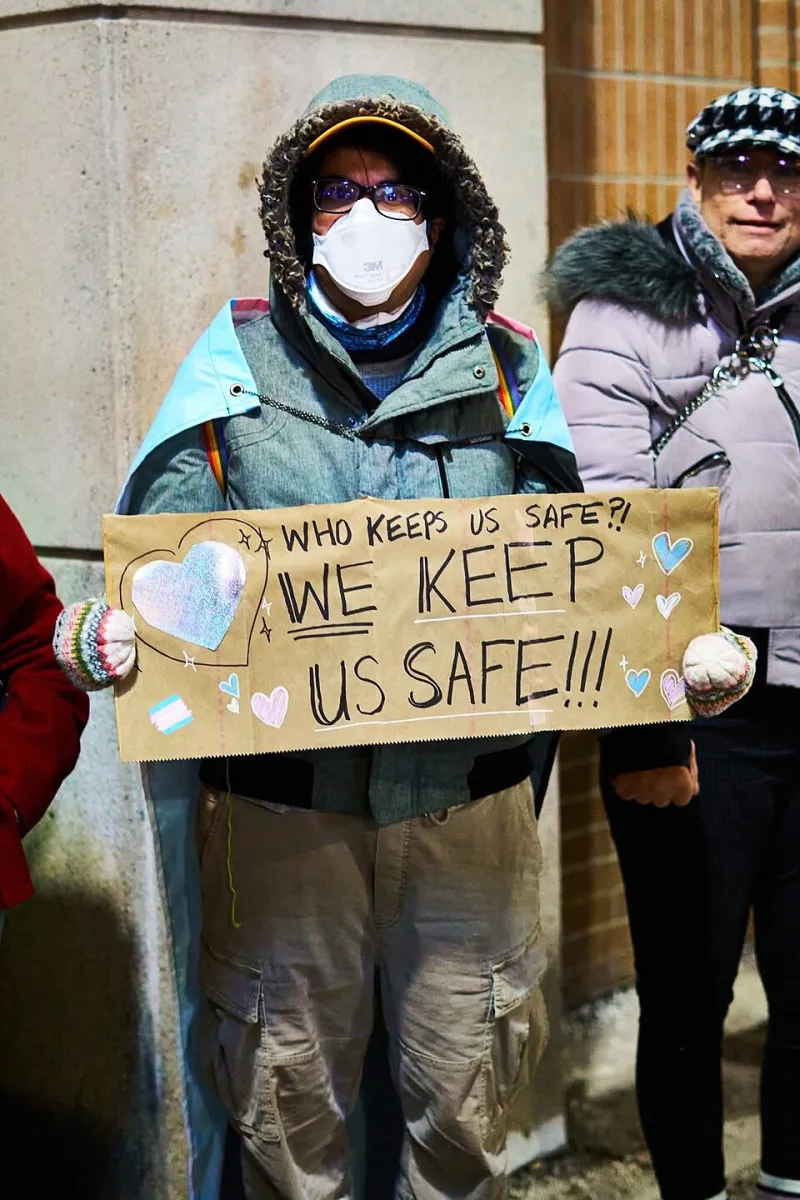
Photo by Photo by Brittani Burns on Unsplash on Unsplash
There's a particular kind of grief that nobody prepares you for in activism. It's not the grief of losing — losing is brutal, sure, but at least it comes with a built-in reason to keep going. No, the grief we're talking about is the one that shows up after you win.
You spent months — maybe years — building something real. You recruited volunteers, ran phone banks, flooded inboxes, showed up to city council meetings in the rain. And then, one day, the vote passed. The bill got signed. The policy changed. You did it.
And then your group chat went quiet.
This is called post-victory collapse, and it's one of the most underexamined phenomena in progressive organizing. It's counterintuitive, uncomfortable, and surprisingly common. Understanding why it happens — and how to stop it — might be the most important thing your movement can do right now, especially if you're close to a win.
The Dopamine Cliff Nobody Warns You About
Here's the psychology nobody talks about at the victory party: your brain treats a hard-won goal the same way it treats any reward. You get a surge of satisfaction, followed by a rapid drop in motivation. Researchers call this the "goal completion effect" — the moment a goal is achieved, the mental energy that was sustaining pursuit of it evaporates almost instantly.
For individual activists, this looks like burnout, detachment, or just... moving on. For organizations, it looks like donor fatigue, volunteer attrition, and a communications calendar that suddenly has nothing urgent to say.
The 2015 marriage equality victory is a textbook example. After the Supreme Court's Obergefell v. Hodges decision, many LGBTQ+ advocacy organizations saw significant drops in small-dollar donations and volunteer engagement within months. The cause hadn't gone away — trans rights, housing discrimination, and healthcare access remained urgent — but the emotional engine that had powered the movement suddenly had no clear destination to drive toward.
This isn't a criticism of those organizations or their members. It's just how human psychology works. And if you don't plan for it, it will blindside you.
The Organizational Trap: When Structure Becomes the Enemy
Beyond psychology, there's a structural problem that hits movements post-victory: the organization was built for the campaign, not for what comes after it.
Most grassroots groups are designed around urgency. The website copy screams deadlines. The email list gets bombarded with "last chance" appeals. The social media strategy is built on a crisis narrative. All of that works beautifully when there's a clear enemy to fight and a clear ask to make.
But when the immediate battle is won, that infrastructure becomes a liability. Urgency-based organizing has no natural "maintenance mode." The tools that mobilized people to fight can't easily pivot to holding ground, implementing policy, or building toward the next campaign.
Consider what happened with many local minimum wage campaigns after cities like Seattle and Chicago passed landmark wage floor legislation. Coalitions that had spent years organizing workers, rallying public support, and pressuring city councils often dissolved within 18 months of victory. The result? Implementation was messy, enforcement was weak, and the business lobby — which never stopped organizing — successfully chipped away at some of those gains in subsequent legislative sessions.
The win became a ceiling instead of a floor.
What Movements That Survive Their Wins Do Differently
So what separates the campaigns that sustain momentum from the ones that fade out after the champagne? A few things stand out.
They reframe the win as a milestone, not a finish line. Successful long-term movements are deliberate about messaging the victory as "step one" rather than "the end." This isn't spin — it's accurate. Policy wins require implementation, defense, and expansion. Movements that communicate this clearly to their base keep people emotionally invested in the next chapter.
They shift the leadership pipeline before the win, not after. Organizations that survive post-victory collapse typically start identifying and training their next tier of leaders during the campaign, not when they're already in freefall. This means building internal structures that can outlast any single campaign cycle.
They give volunteers a specific role in the aftermath. One of the biggest drivers of post-victory dropout is that people simply don't know what to do next. Smart organizations answer that question immediately and specifically. Not "stay engaged" — but "here's the implementation committee, here's the monitoring task force, here's the next local election we need you for."
They celebrate loudly and then pivot loudly. The celebration matters. Skipping it to rush into the next fight burns people out just as fast as having no next fight at all. The trick is to build the pivot into the celebration — so the victory party becomes the launch event for what's coming.
The Maintenance Problem Is Actually a Power Problem
Here's a reframe worth sitting with: post-victory collapse isn't just an organizational inconvenience. It's a power transfer.
When progressive movements win and then dissolve, the opposition — which almost never stops being organized — inherits the field. Lobbyists don't take victory laps. Corporate interests don't lose their infrastructure just because they lost a vote. They regroup, they wait, and they come back when the coalition that beat them has moved on.
Sustaining a movement after a win isn't just about keeping volunteers busy. It's about refusing to cede ground that was hard-won. It's about recognizing that policy is never really "done" — it's always being contested, interpreted, and revised by whoever shows up.
If your people aren't showing up to the implementation hearings, someone else's people are.
Three Questions to Ask Your Movement Right Now
If you're in the middle of a campaign or approaching a potential win, start asking these questions before the victory is official:
-
What does success look like one year after the win? If you can't answer that, your movement has a destination problem, not just a motivation problem.
-
Who in our coalition is already thinking about the next fight? Find those people and give them a leadership role in the transition. They're your bridge between the campaign and whatever comes next.
-
What would the opposition do if we win and then disappear? Work backward from that answer. Build your post-victory strategy to prevent exactly that scenario.
You Clicked to Start a Movement. Now Click to Keep It.
The causes that change the world aren't the ones that win a single battle. They're the ones that treat each win as proof that more is possible — and then immediately start organizing for the next push.
Post-victory collapse is real, it's predictable, and — crucially — it's preventable. The movements that understand this don't just make history once. They keep making it.
So if your coalition just crossed a finish line, or you can see one coming: don't just celebrate. Plan. Recruit. Pivot. The other side already is.
Ready to keep the momentum going? Browse active campaigns on Click the Cause and find where your energy can make a difference — starting right now.