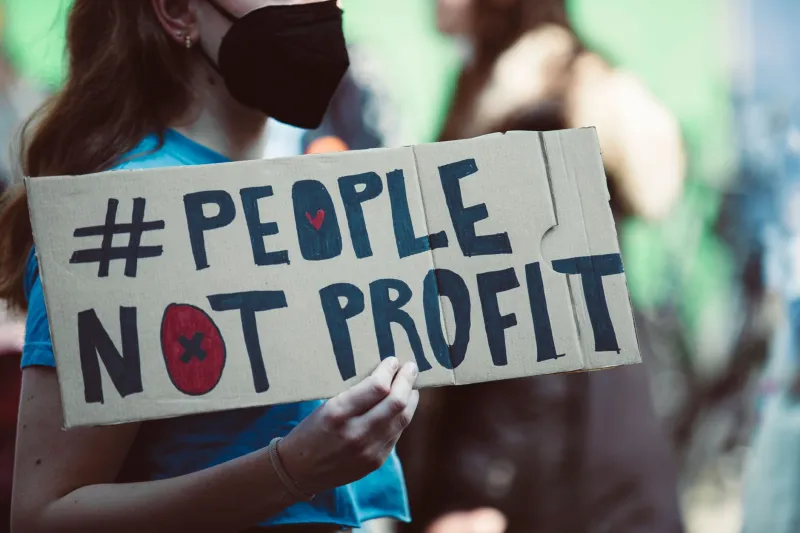
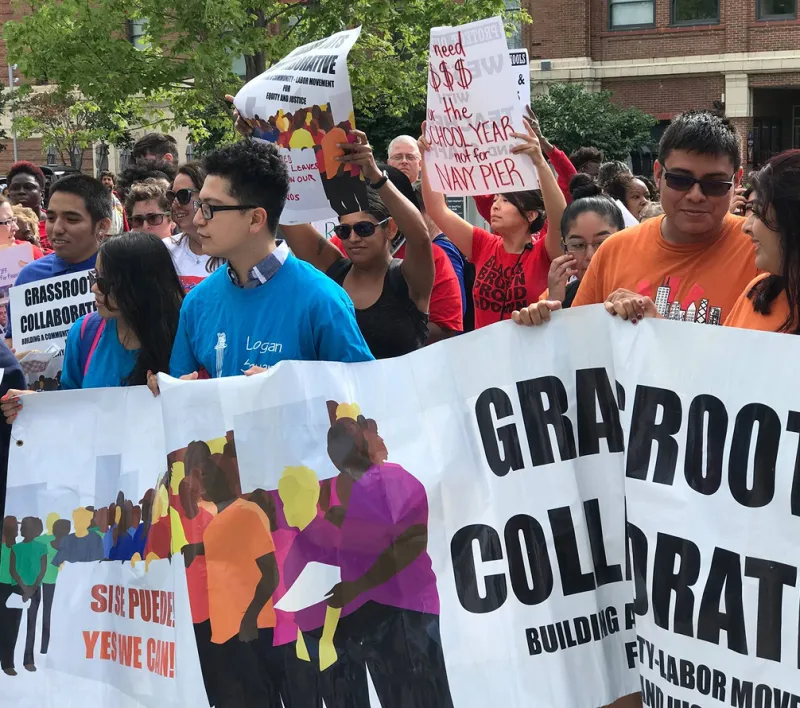
Your Issue Didn't Die — It Got Buried Alive by the Next Big Thing
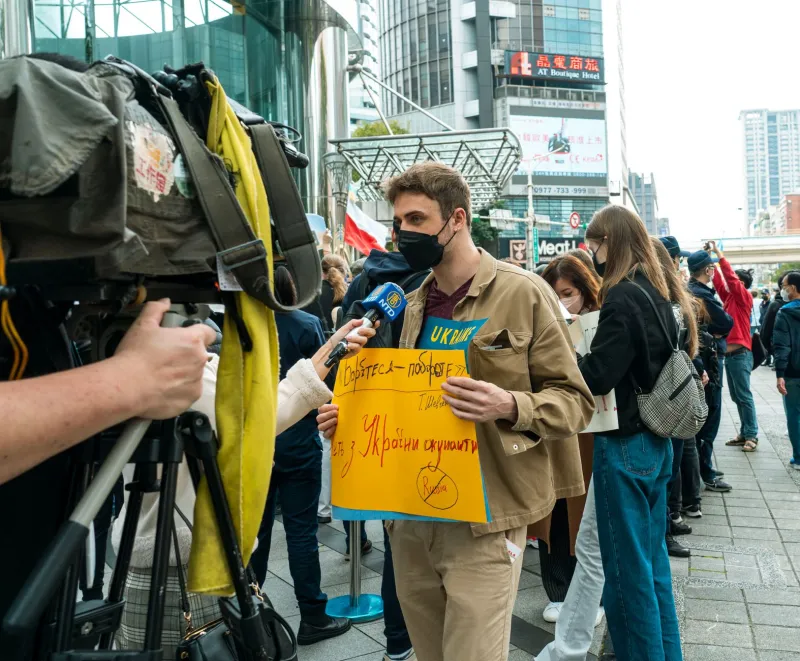
You spent months building momentum. You had the signatures, the local press coverage, maybe even a city council member returning your calls. Then, almost overnight, everyone moved on — not because the problem got solved, but because something louder showed up and grabbed the mic.
Welcome to the cause graveyard. Population: too many issues that still desperately matter.
This isn't a story about apathy. Most of the people who stopped showing up for your campaign still care. They didn't abandon the cause — the information ecosystem they live in did it for them. And if you want to understand how to fight back, you first need to understand exactly how the burial happens.
The Algorithm Doesn't Care About Your Timeline
Here's the brutal truth about social media platforms: they're not designed to sustain attention. They're designed to capture it, over and over again, with whatever's newest and most emotionally charged. Facebook, Instagram, X (formerly Twitter), TikTok — every single one of them rewards novelty and punishes repetition.
When your housing affordability campaign was fresh, the algorithm pushed it. Engagement was high, shares were rolling in, and the platform's machinery treated your posts like content worth amplifying. But the moment a new crisis hit — a viral police shooting, a congressional scandal, a natural disaster — the engagement shifted, the algorithm followed, and your posts about zoning reform started reaching approximately nobody.
Researchers who study information cascades call this "issue displacement," and studies from outlets like the Reuters Institute for the Study of Journalism have consistently shown that breaking news events don't just add to public attention — they actively crowd out prior topics. It's not additive. It's competitive. Every new crisis is, functionally, a hostile takeover of the public's mental bandwidth.
Why Some Issues Keep Coming Back (And Others Don't)
Not every cause stays buried, though. Gun control advocacy surges after mass shootings. Climate activism spikes around extreme weather events. Reproductive rights explode back into the conversation after every new legislative attack. These issues have something your cause might be missing: a reliable trigger mechanism.
Causes that survive the churn tend to share a few structural features. They have ongoing institutional champions — organizations with staff, budgets, and media relationships that keep the issue warm even when public attention drifts. They have clear, recurring news hooks that make them easy for journalists to revisit. And critically, they've been woven into partisan identity in a way that guarantees a built-in audience will keep paying attention.
Smaller or more locally-focused causes often lack all three. A campaign to reform your county's public defender funding, or to stop a specific polluter from expanding operations near a low-income neighborhood, doesn't have a national organization behind it. It doesn't have an obvious news hook beyond the original story. And it may not map cleanly onto the red-vs.-blue framing that keeps national media interested.
That's not a death sentence. It's a design problem — and design problems have solutions.
Stop Waiting for Permission to Be Newsworthy
One of the most damaging myths in grassroots activism is the idea that you need media coverage to maintain momentum. You don't. Or rather, you don't need mainstream media coverage as much as you think you do.
The activists who successfully keep buried causes alive have largely stopped pitching the same story to the same tired outlets and started building their own information infrastructure. That means consistent newsletters that go directly to supporters. It means community meetings — virtual or in-person — that create ongoing touchpoints independent of what's trending. It means cultivating relationships with local journalists, podcasters, and community radio hosts who cover beats the national press ignores.
The goal isn't to compete with whatever crisis is dominating CNN this week. The goal is to maintain a parallel conversation that doesn't require CNN's permission to continue.
The "Evergreen Hook" Strategy
Here's a tactical shift worth stealing from professional communications teams: build evergreen hooks into your campaign from the start.
An evergreen hook is a recurring, predictable moment when your issue becomes newly relevant — and you're ready to capitalize on it. Budget season at your city council? That's your hook for fiscal justice campaigns. Back-to-school season? That's your hook for education funding advocacy. A local election filing deadline? That's your hook for democratic participation campaigns.
The key is anticipating these moments months in advance and having content, actions, and outreach ready to deploy the second they arrive. You're not waiting for the news cycle to hand you an opening. You're engineering your own openings on a calendar you control.
Organizations like Indivisible and the Sunrise Movement do this deliberately — they map out the legislative and electoral calendar and build their communications strategy around predictable pressure points. You can do the same thing at the local level with nothing more than a spreadsheet and some planning time.
Make the Displacement Visible
Sometimes the most powerful move is naming what's happening directly. If your cause got buried under a flood of breaking news, tell your community that — explicitly. "You might have noticed we've been harder to find lately. Here's why, and here's why this issue still matters."
This kind of transparency does two things. It validates the experience of supporters who noticed the silence and were wondering if the campaign had quietly died. And it reframes the act of re-engaging as a conscious choice, a small act of resistance against the forces that want your issue forgotten.
There's real psychological power in telling people "the algorithm buried this, but we're not done." It turns passive re-engagement into something that feels like solidarity.
Your Click Is a Vote Against Forgetting
The cause graveyard is real, but it's not permanent. Issues get buried because the systems we use to share information are optimized for novelty, not persistence. That's a structural problem — but structure can be worked around.
Every time you share an update on a cause that's been out of the headlines, you're casting a small vote against the machinery of displacement. Every newsletter you open, every local meeting you attend, every call to your city council rep about an issue that stopped trending six months ago — these are acts of defiance against a system that profits from your forgetting.
The causes in that graveyard aren't dead. They're waiting for someone to show up with a shovel.
Be that person. Find a campaign worth resurrecting on Click the Cause.