One Cause, Real Change: Why Doing Less Makes You a More Powerful Activist
Let's be honest about something most progressive spaces won't say out loud: you cannot fight everything. Not well, anyway.
You've probably felt it — that gnawing sense that if you're not posting about the latest environmental disaster and the housing crisis and the voting rights rollback and the school board coup happening three states away, you're somehow complicit in all of it. That guilt is real. But the activism it produces? Often isn't.
There's a name for what's happening to a growing number of well-meaning people in the US activist landscape right now. Researchers call it cause proliferation fatigue — and it's quietly gutting the progressive movement from the inside.
The FOMO Trap That's Eating Your Impact
A 2022 study published in the Journal of Social Issues found that activists who regularly engaged with more than four distinct cause areas simultaneously reported significantly lower feelings of efficacy — that crucial sense that what you do actually matters — compared to those focused on one or two issues. Lower efficacy doesn't just feel bad. It predicts dropout.
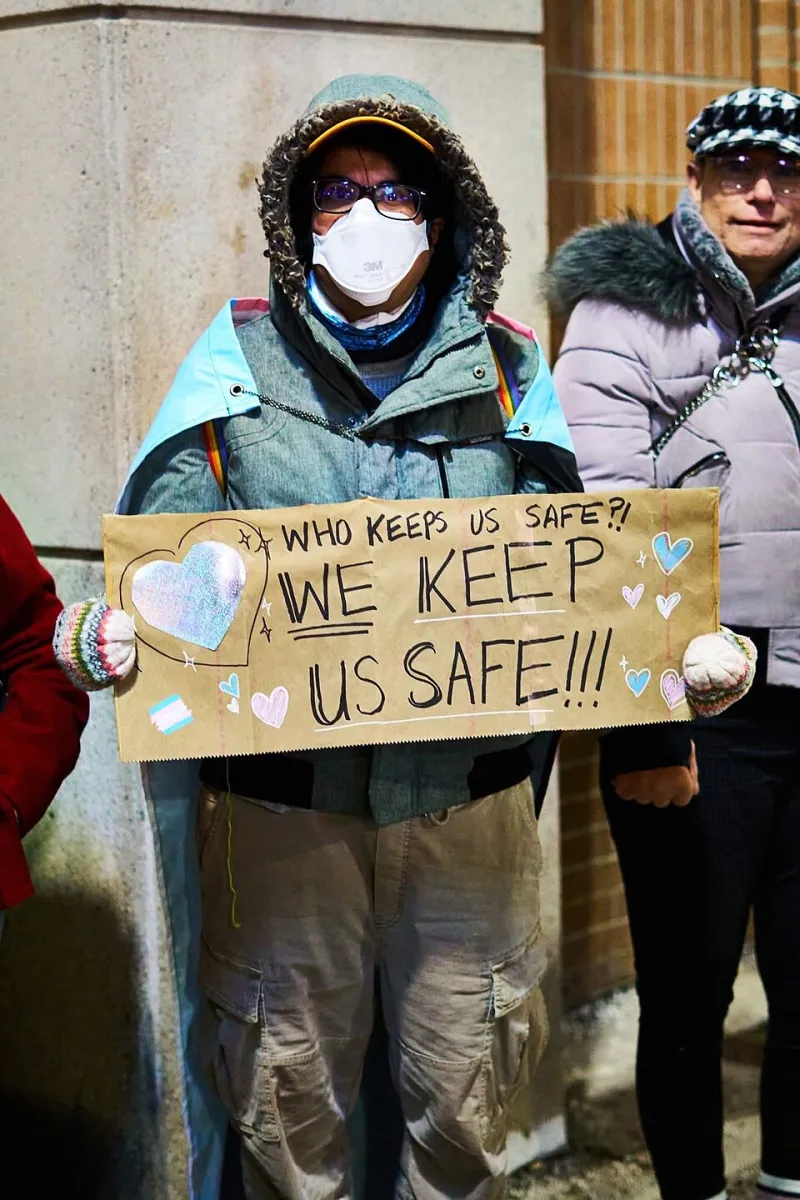
The psychology here is pretty straightforward. Every time a new crisis explodes onto your feed, your brain registers it as urgent. And in the current media environment, something is always exploding. Climate. Abortion access. Gun violence. Immigration detention. Trans rights. Police accountability. Student debt. The algorithm doesn't care about your bandwidth. It just keeps serving up emergencies.
This creates what some organizers have started calling activist FOMO — the fear that if you don't engage with every cause, you're abandoning it. But here's the uncomfortable truth: a movement full of people doing a little bit of everything is not the same as a movement full of people doing a lot of something.
Who's Most Vulnerable?
Not everyone falls into the cause-hopping trap equally. Research and anecdotal evidence from organizers across the country point to a few groups that are especially at risk.
New activists are the most susceptible. When you first wake up to systemic injustice — really wake up — the scale of what's broken is overwhelming. Everything feels connected because, in many ways, it is. But that interconnectedness can become a paralysis trap if you never zoom in.
Social-media-first activists are another high-risk group. When your primary form of engagement is digital, the cost of jumping between causes feels low. One click here, one share there. But that frictionlessness is deceptive. Online breadth rarely translates to on-the-ground depth.
Empathetic high-achievers — people who are deeply compassionate and used to succeeding at things they try — often struggle most with saying no to a cause. Saying "this isn't my fight right now" can feel like a moral failure. It isn't.
The Data on Depth vs. Breadth
Look at the most consequential activist victories in recent US history and you'll find a pattern: sustained, focused pressure over time.
The marriage equality movement didn't win by also trying to fix healthcare that same decade. The organizers who flipped Georgia in 2020 — Stacey Abrams and the New Georgia Project team — spent years laser-focused on voter registration in one state. The Fight for $15 campaign picked a number, picked a target, and didn't let go.
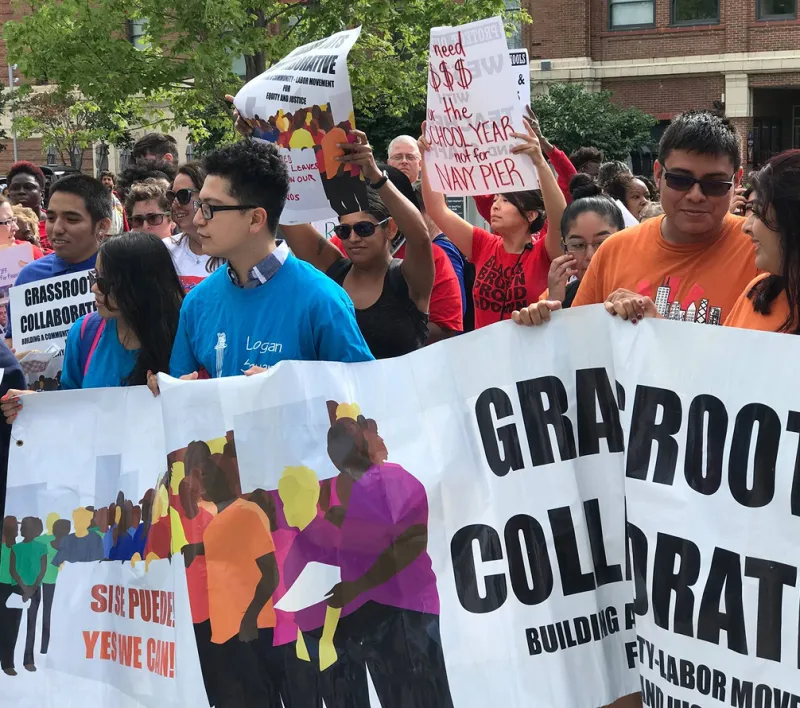
Contrast that with the diffusion problem that plagued parts of the 2020 protest wave. Enormous energy, enormous crowds — but dozens of competing demands made it easier for politicians to respond to none of them. That's not a criticism of the people who showed up. It's an observation about strategy.
Focus isn't a betrayal of other causes. It's how causes actually win.
A Framework for Choosing Your Fight
So how do you figure out which cause deserves your sustained attention? Here's a practical framework we've found useful:
1. Audit your skills, not just your feelings. Passion matters, but it's not enough. Ask yourself: what do I actually bring to this fight? Are you a writer? A data nerd? Do you have relationships in a specific community? The cause that aligns with your real, concrete skills is the one where you'll have outsized impact.
2. Assess your proximity. Are you directly affected by this issue, or do you live near people who are? Proximity doesn't automatically confer authority, but it does confer staying power. You're less likely to burn out on a cause that touches your daily life.
3. Evaluate the leverage points. Some fights have clear, actionable pressure points — a specific vote, a specific official, a specific policy up for renewal. Others are diffuse and structural in ways that make individual action feel meaningless. That doesn't mean the diffuse fights don't matter, but they may need a different kind of engagement than showing up every week.
4. Check your capacity honestly. How many hours per week can you realistically give? Not aspirationally — realistically. Design your activism around that number, not around the number of crises in your feed.
Letting Go Without Checking Out
Here's what cause-focus does not mean: it doesn't mean you stop caring about other issues. It doesn't mean you never sign a petition outside your lane or show up for a friend's rally. It means you have a home base — a cause where you're building relationships, accumulating knowledge, and showing up consistently enough to matter.
You can still amplify. You can still donate small amounts to causes outside your focus. You can still vote in ways that reflect your full values. But your organizing energy — the stuff that actually moves needles — gets concentrated.
Think of it like this: a magnifying glass focuses sunlight into something that can start a fire. Spread that same light across a parking lot and nothing burns.
Your Next Click Should Be a Commitment, Not a Reaction
At Click the Cause, we believe in the power of individual action — but individual action stacked, repeated, and deepened over time. The most meaningful click you can make right now might not be signing the hottest petition of the week. It might be deciding which cause gets your consistent, concentrated attention for the next six months.
That decision is harder than retweeting. It requires you to say "not right now" to things that genuinely matter. But it's also the decision that separates people who feel like activists from people who actually change things.
Pick your fight. Go deep. Stay there long enough to win something.
Then maybe — maybe — you pick the next one.