Your Zoning Fight Died in the First Week — Here's the Autopsy
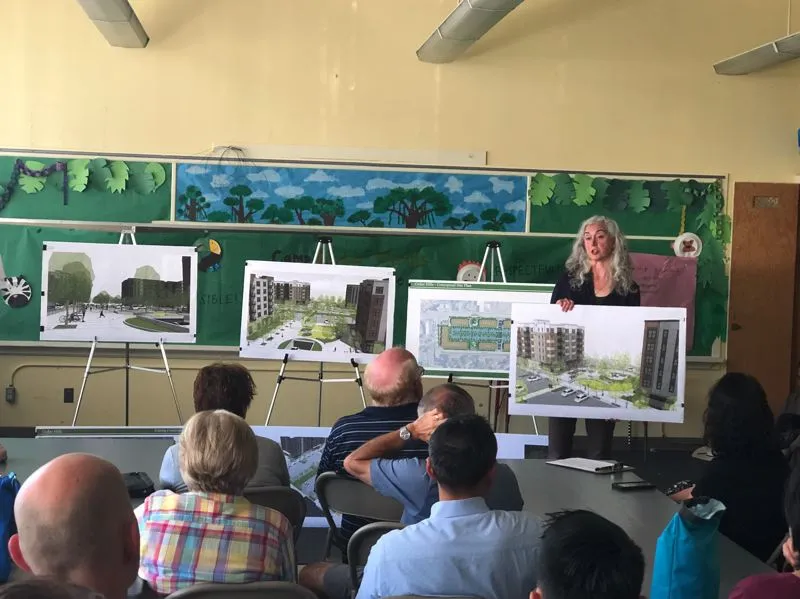
Photo: neighbors community meeting living room planning session, via www.pacific-community.com
Let's be honest about what happened on that Zoom call. Five neighbors, fired up about a rezoning proposal that would gut the green space behind their subdivision, spent ninety minutes agreeing with each other. They created a Facebook group. They made a logo. And then they watched the city council approve the project unanimously, six weeks later, without hearing a single organized word of opposition.
Nobody on that call was lazy or unserious. They just ran the standard playbook that first-time groups run — and the playbook is wrong. Here are the mistakes, so you can skip them.
Mistake #1: Demanding "Transparency" Instead of a Decision
The group's stated goal, per their Facebook page, was to "demand transparency from city hall." Cool. Transparent about what? What decision, by whom, by when?
City staff can nod along to a transparency demand forever. What they can't ignore is a specific, winnable ask: "Vote no on Ordinance 24-118 at the March 14 meeting." Vague demands produce vague outcomes, and vague outcomes at zoning hearings always favor the developer, because the developer showed up with an addressable ask — an approval.
If your group can't finish the sentence "We want [named body] to [specific action] by [date]," you don't have a campaign. You have a book club with grievances.
Mistake #2: No Named Spokesperson Means No Story
Reporters covering a zoning fight need a quote from a human. Council members need a face to associate with the opposition. A group email like [email protected] reads like spam.
Every effective local campaign I've covered has one person willing to put their name on it — someone who speaks in plain sentences and returns calls. It doesn't have to be the loudest person in the room. It has to be the most reliable one. Pick them in week one, not week six.
Mistake #3: They Missed the Deadline That Actually Mattered
This is the one that stings. Most cities have a public comment cutoff — often 48 to 72 hours before the hearing, sometimes a full week for written comments to be entered into the record. The group found out about the deadline the day after it passed.
The comment window isn't a formality. In many jurisdictions, comments submitted after the cutoff legally can't be considered, and council members will say so out loud while voting yes. The single highest-leverage hour in any local fight is the hour spent finding the actual deadline on the city's actual website. Everything else is decoration.
Mistake #4: They Organized the Choir and Only the Choir
All five neighbors knew each other before the Zoom. They spent the next month talking to each other on the Facebook group, sharing articles they all already agreed with, and mistaking the growing comment thread for momentum.
A hundred engaged neighbors who all live on the same three streets is a fraction of what a zoning fight needs. The successful fights pull in renters, parents whose kids use the park, church groups, the running club. Different people, different reasons, same ask.
The Checklist
Pin this. Print it. Tape it to the fridge before your first meeting:
- One specific decision, one named body, one date
- One named spokesperson with a phone number
- Comment deadline found, written down, set as a calendar alarm
- List of every council member with how they've voted on similar items
- Three talking points, each under 30 seconds
- At least 20 people recruited from outside the founding group
- Speakers signed up for the hearing, remarks rehearsed out loud
None of this is glamorous. All of it is the difference between a fight and a fuss. The five neighbors on that Zoom had more passion than most campaigns ever muster. What they didn't have was a target, a deadline, or a plan — and city hall could smell it from across the parking lot.
Your cause deserves better than a logo. Give it a deadline.