Five Minutes, Real Power: How Everyday People Are Flipping Local Politics One Click at a Time
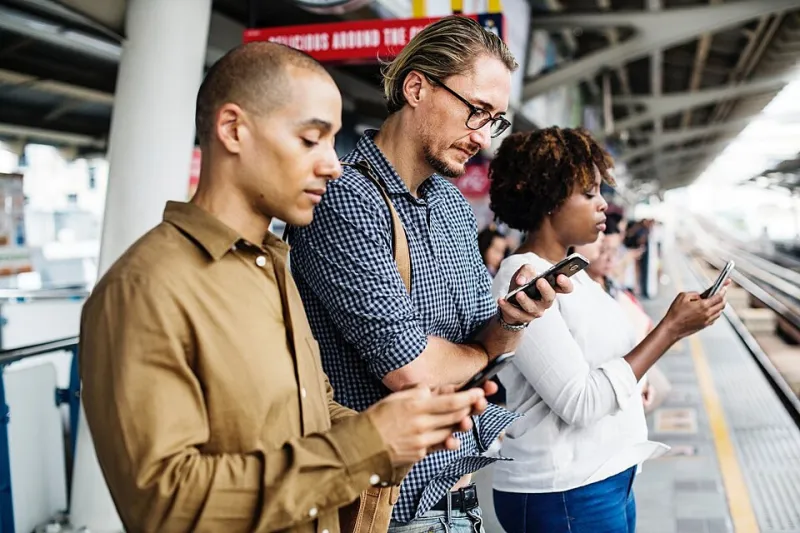
Photo: Rawpixel.com, CC0, via Wikimedia Commons
Let's be real for a second. Most of us aren't going to quit our jobs, hire a campaign manager, and run for city council. Life is busy. Between work, family, and just trying to keep it together, traditional political involvement can feel like a luxury we can't afford. But here's what the political establishment doesn't want you to know: local elections are being decided by people just like you, in the time it takes to drink a cup of coffee.
Welcome to the age of micro-activism — and it's working.
What Exactly Is a Micro-Action?
A micro-action is exactly what it sounds like: a small, targeted, time-efficient act of civic engagement. We're talking about a carefully worded tweet directed at your city council member. A pre-drafted email sent to a school board representative before a Tuesday vote. A 30-second video shared to a neighborhood Facebook group that gets 400 views by morning. Individually, these feel tiny. Collectively? They're reshaping American communities from the ground up.
The key word here is targeted. Micro-activism isn't about yelling into the void — it's about applying the right pressure, at the right moment, to the right person. And at the local level, that math changes dramatically in your favor.
Consider this: a US Senate race might see millions of votes cast. A city council race in a mid-sized American city? Sometimes fewer than 3,000. A school board election in a suburban district? You might be looking at 800 ballots. In those environments, 50 activated neighbors sending coordinated emails to a single official isn't a drop in the bucket — it's a flood.
The Case Studies You Need to See
Austin, Texas — Transit Funding Win, 2023 When Austin's city council quietly moved to cut funding from a proposed bus rapid transit corridor serving lower-income neighborhoods on the east side, a coalition of local transit advocates launched a 72-hour digital blitz. Using a shared action template, over 1,200 residents sent personalized emails to their specific council representatives within three days. Seventeen people showed up to the public comment session — but every single one of those council members had already received dozens of constituent emails. The funding cut was reversed. The whole campaign? Organized through a group chat and a shared Google Doc.
Asheville, North Carolina — School Board Policy Reversal In late 2022, a proposed curriculum restriction in Buncombe County schools drew national attention after a local parent shared a council agenda item on a neighborhood Facebook group. Within 48 hours, a coordinated social media campaign had generated over 900 public comments submitted through the district's online portal — a tool most residents didn't even know existed. Board members later cited the volume of constituent feedback as a direct factor in their decision to table the proposal. The parent who started it? She had never done anything like it before.
Detroit, Michigan — Environmental Justice Pressure Campaign Residents in a predominantly Black neighborhood on Detroit's east side used a combination of targeted Instagram posts, a change.org petition, and a coordinated call-in campaign to pressure city officials over a proposed industrial rezoning. The campaign generated over 2,000 petition signatures and crashed the city's public comment phone line on two separate occasions. The rezoning was denied. Local organizers credited the digital amplification with reaching residents who would never have heard about the issue through traditional channels.
Why Local Is Where Your Click Hits Hardest
Here's the thing about national politics — it's loud. Everyone is already screaming. Your senator's office receives thousands of calls a day. Your tweet about federal legislation is one of millions. But your city council member? They might represent 15,000 people. Many of them are barely paying attention. When you show up — even digitally — you stand out.
Local officials also have something most federal lawmakers don't: genuine vulnerability to community opinion. They live in your neighborhood. They shop at your grocery store. They see your name on a petition and recognize it. The social proximity is real, and it matters.
Your Five-Minute Playbook for This Week
Ready to put this into practice? Here's a concrete, right-now action plan that any person with a smartphone can execute:
Step 1: Find your people (2 minutes) Search Facebook, Nextdoor, or Reddit for your city or county name plus words like "activism," "community action," or the name of an issue you care about. Join one group. That's it.
Step 2: Identify the next vote (1 minute) Every city council and school board posts its meeting agendas publicly online. Google your city name plus "city council agenda" or "school board agenda." Find what's being voted on in the next two weeks.
Step 3: Send one email (2 minutes) Click the Cause has pre-drafted email templates for dozens of local issues — from zoning and housing to education and environmental policy. Find your council member's email (it's on your city's website), personalize two sentences, and hit send. That's your five minutes.
Bonus step: Share the action Forward the email template to three friends. Post it in that neighborhood group you just joined. This is how 50 emails become 500.
The Multiplier Effect Is Real
What makes micro-activism genuinely powerful isn't any single action — it's the cascade. When one person shares an action template, the average reach in a tight-knit neighborhood network is somewhere between 150 and 400 people. When even 10% of those people take the same action, you've generated a coordinated campaign from a single share.
Organizers call this the "multiplier effect," and it's the backbone of every successful local digital campaign. The tools to trigger it are already in your pocket.
Local democracy was always meant to be participatory. For too long, low turnout and low engagement have let a small number of highly motivated — and often well-funded — actors dominate the conversation. Micro-activism is the correction. It lowers the barrier to entry so that the full, diverse range of a community's voices can actually be heard.
You've got five minutes. Your city council meeting is in two weeks. Click the cause. Make it count.
